Everything You Actually Need to Know Before Visiting a Roller Skating Rink

Skating Rink Pal currently lists 78+ verified roller skating rinks across the country, with an average rating of 4.3 stars. That's a surprisingly strong number for a leisure activity that a lot of people assume is fading out. It is not. Roller skating rinks are busy, and in many towns they're one of the most active family destinations on a Friday night.
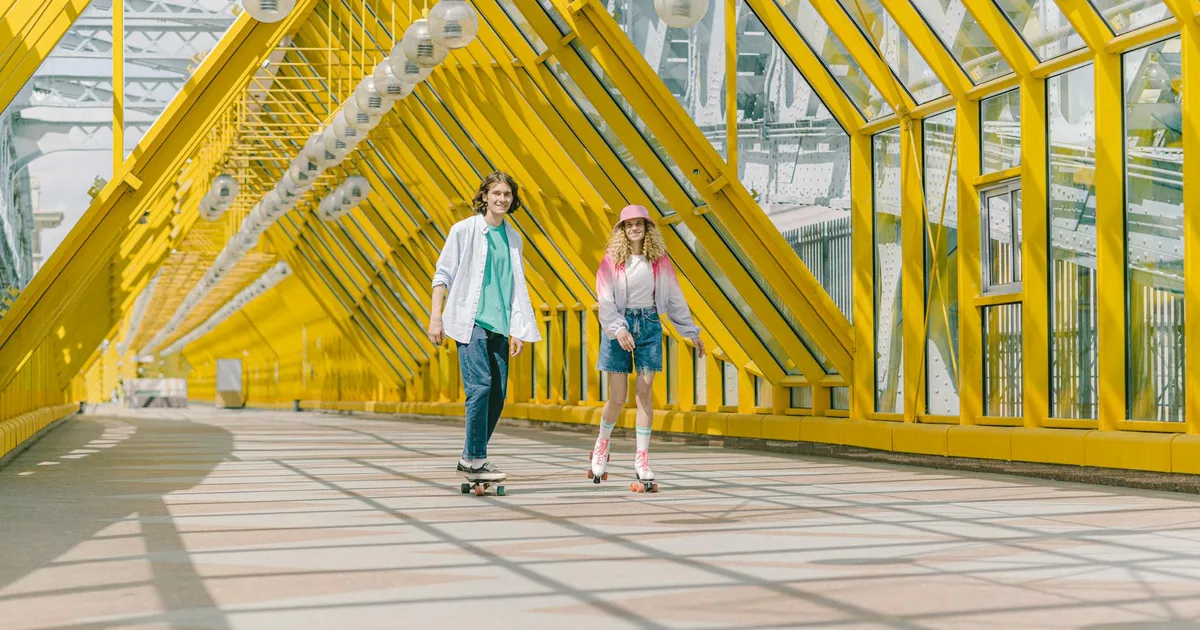
If you haven't been to one in a while, or you're planning your first visit, it helps to know what you're actually walking into.
What a Roller Skating Rink Actually Is
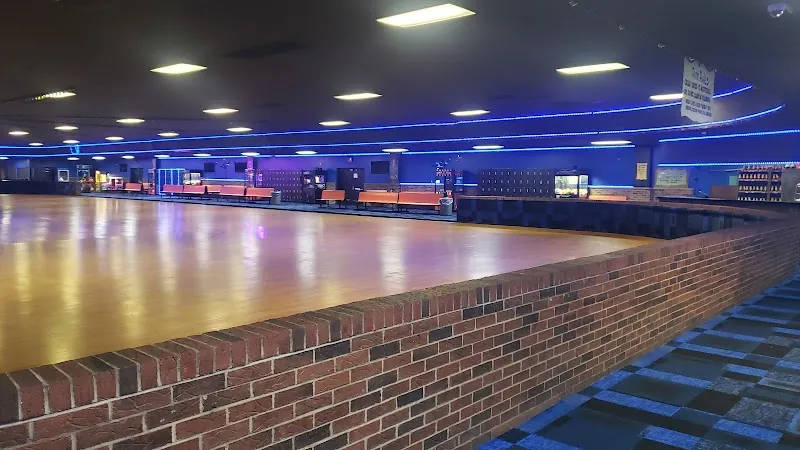
At its core, a roller skating rink is an indoor facility built around a large oval or rectangular floor designed for skating. Most rinks run between 12,000 and 20,000 square feet of total space, though the skate floor itself is usually a fraction of that. Around the edges you'll find a carpeted spectator area, rental counters, a snack bar, and often an arcade section. Some larger facilities add laser tag rooms or party halls.
Honestly, the snack bar situation varies wildly. Some rinks serve decent food, pizza, hot dogs, nachos. Others are running a microwave and a Slurpee machine from 2003. You'll want to check reviews before assuming you can make a meal of it.
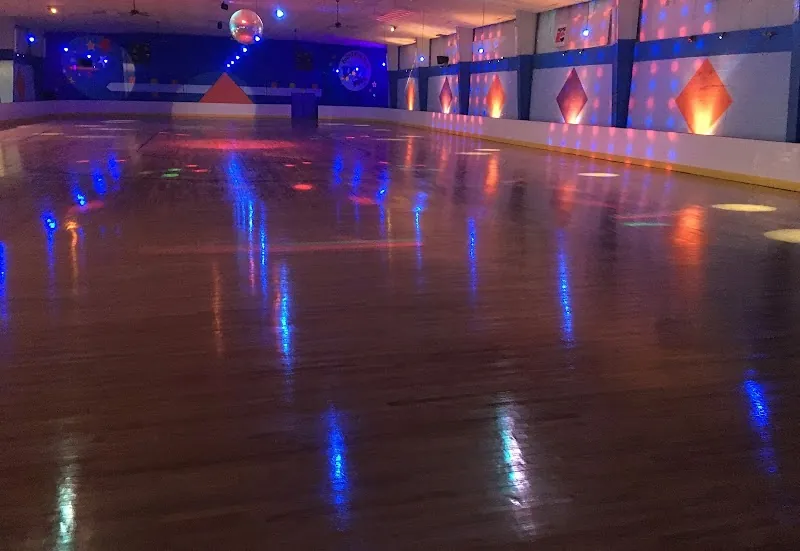
Roller skating rinks use either hardwood floors or a synthetic sport surface. Hardwood is better for skating comfort and speed; synthetic surfaces are more common in newer or budget facilities. It's worth asking which type a specific rink has if smooth skating matters to you.
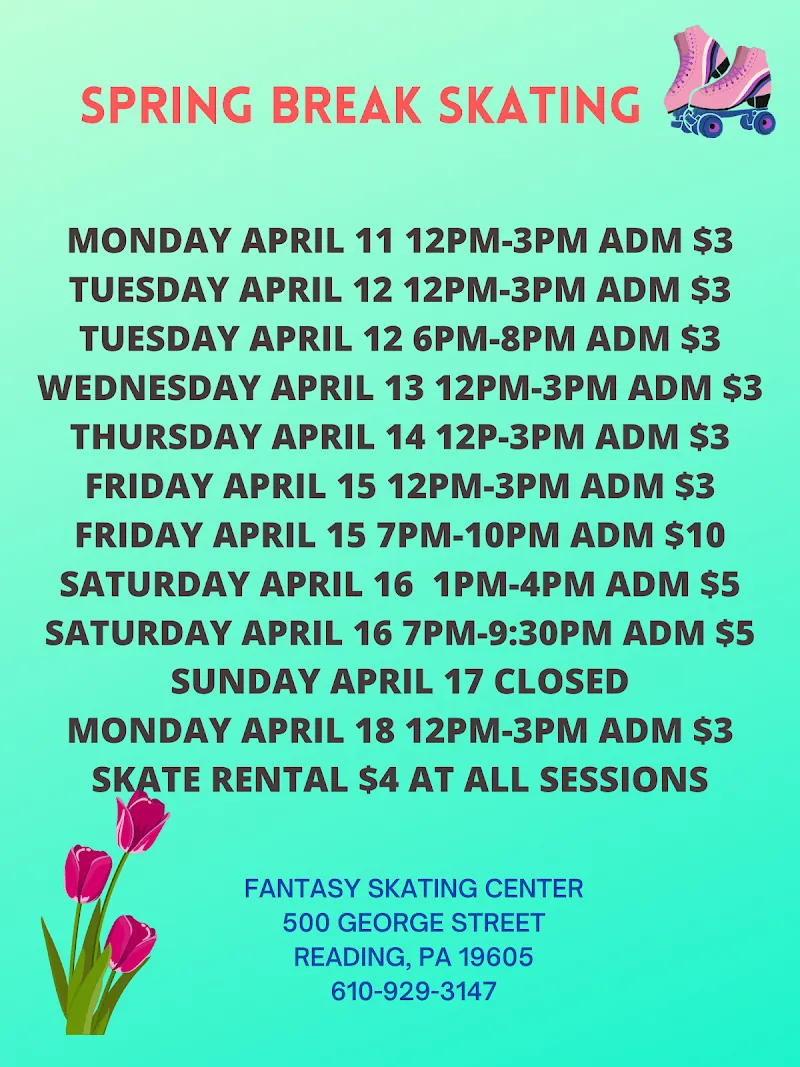
Most rinks operate on session-based scheduling. A session might run 90 minutes to two hours, and the rink clears between sessions to reset. You pay per session, not per hour. That's a detail a lot of first-timers miss, and it changes your planning entirely.
How These Places Differ from Ice Skating Rinks and Inline Skate Parks
People mix these up constantly. Roller skating rinks are not the same as ice rinks, and they're definitely not skate parks.
Ice skating rinks keep a refrigerated surface at or below freezing. Roller skating rinks do not require any temperature control for the floor itself, which means the building can be warmer and the operating costs are lower. That often translates to cheaper admission prices. Adult entry at a roller skating rink typically runs between $6 and $12, compared to $15 or more at many ice rinks, especially in urban areas.
Skate parks, on the other hand, are built for tricks: ramps, rails, bowls, half-pipes. A roller skating rink is a social, recreational space. It's not designed for grinding or jumping. You skate in a circle (or free-skate during open sessions), listen to music, maybe do the limbo if the DJ sets it up. The vibe is completely different.
And inline skating facilities exist as a middle ground of sorts, but most community roller skating rinks welcome both traditional quad skates and inline skates on the same floor during general sessions. Good to know if you own inline skates and assumed you'd need quads.
What to Expect When You Walk In
Most roller skating rinks follow a pretty consistent layout. You pay at a front counter, pick up rental skates if you need them (usually $3 to $6 extra), and then find a bench in the carpeted area to lace up. Staff near the rink entrance check that skates are on properly before letting younger kids onto the floor. Some facilities hand out wristbands by skill level or age group during busy sessions.
Rental skates are quad style at most rinks, meaning four wheels in a 2x2 configuration. They're not always the most comfortable things in the world. Bring thick socks. That sounds minor, but blisters on session two are a real thing.
Sessions typically have a DJ or music system running the whole time. Many rinks still do themed skates: "couples only" segments, backwards-only laps, speed segments, or glow skate nights with blacklights. These traditions have been around for decades and most rinks still run them. It's genuinely fun, even if it feels a little retro.
Safety gear policies vary. Some rinks require helmets for children under a certain age. Others only recommend it. If you're bringing young kids, call ahead or check the rink's listing on Skating Rink Pal to see what the policy is before you show up without gear.
How to Find a Good One Near You
Not all roller skating rinks are equal. A well-maintained facility will have a clean floor with no cracked or warped sections, skate rentals that are regularly inspected, and staff who are actually present on the floor during sessions. Poorly run rinks tend to have sticky floors, rental skates with loose wheels, and sessions that feel chaotic because there's no supervision.
Reviews are your best filter. A 4-star rink with 80+ reviews is a far safer bet than a 5-star rink with three reviews. Pay attention to comments about the floor condition, skate quality, and how staff handled crowded sessions. Those three things tell you most of what you need to know.
Weeknight visits almost always beat weekend ones for crowd size. Saturday afternoon at a popular roller skating rink can get genuinely packed, especially when birthday parties are running. If you want more space on the floor and shorter lines at the rental counter, Tuesday or Wednesday evenings are usually the sweet spot.
Frequently Asked Questions
- Do I need to bring my own skates? No. Virtually all roller skating rinks offer rental skates for an additional fee, usually $3 to $6. That said, your own skates will almost always fit better and last a full session more comfortably.
- Are roller skating rinks suitable for young children? Most are, yes. Many facilities have a smaller learner area or beginner rail along the rink wall. Check the specific rink's age policies, since some have minimum age rules for certain sessions.
- How long is a typical session? Sessions usually run 90 minutes to two hours. Some rinks offer all-day passes for a flat rate, which makes sense if you plan to stay several hours.
- Can I wear inline skates instead of quad skates? Most rinks allow both during general open skate sessions. Call
More Ways to Save