First Time on the Ice? Here's How Skating Lessons Actually Work

Seventy-eight verified listings. That's how many skating lesson providers you'll find across Skating Rink Pal, pulling an average rating of 4.3 stars. That number tells you something useful right away: structured ice and roller skating instruction is not some niche offering you have to hunt for. It's widely available, consistently well-reviewed, and, honestly, more approachable than most people expect.
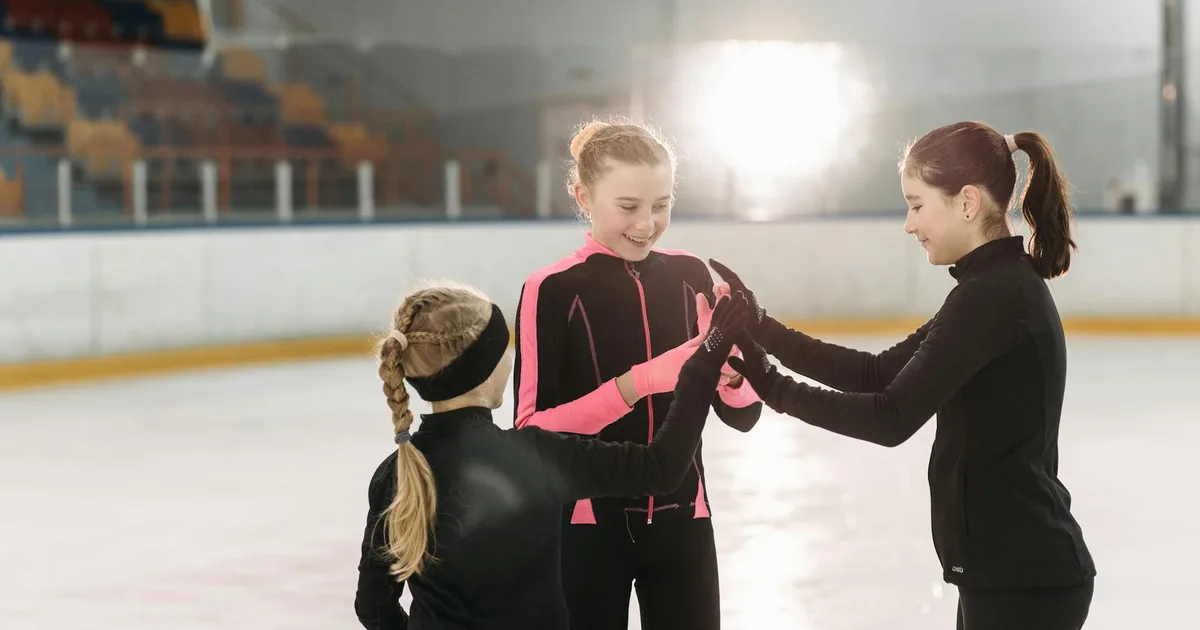
A lot of people put off lessons because they assume they need some baseline skill first. They don't. You do not need to know how to stop, turn, or even stand without wobbling. Skating lessons are designed precisely for the person who laces up and immediately grabs the wall.
What a Skating Lesson Business Actually Is
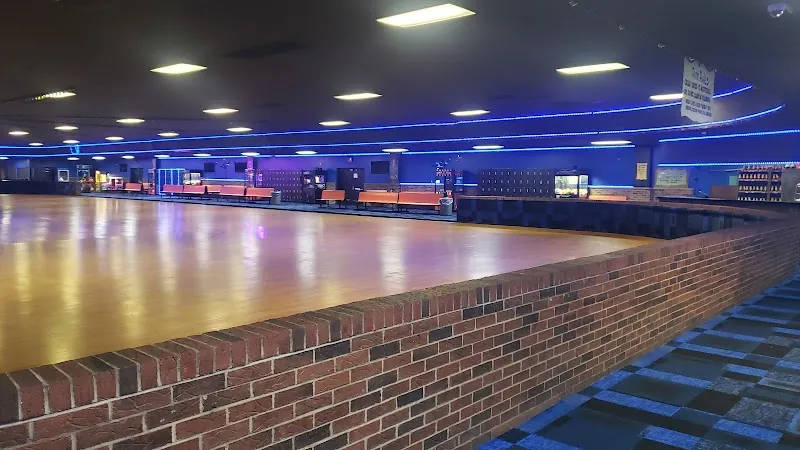
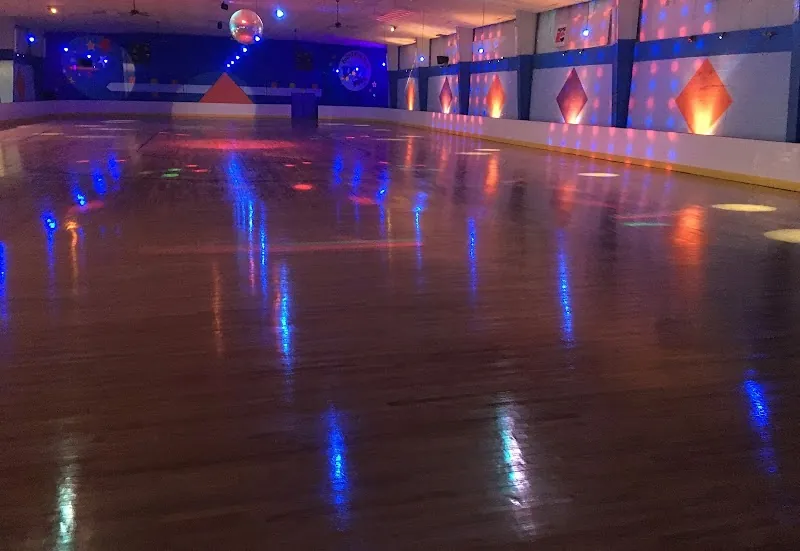
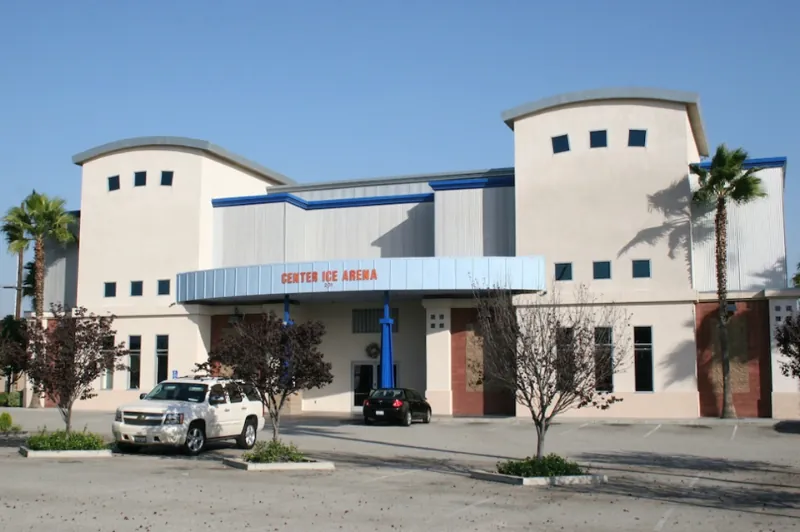
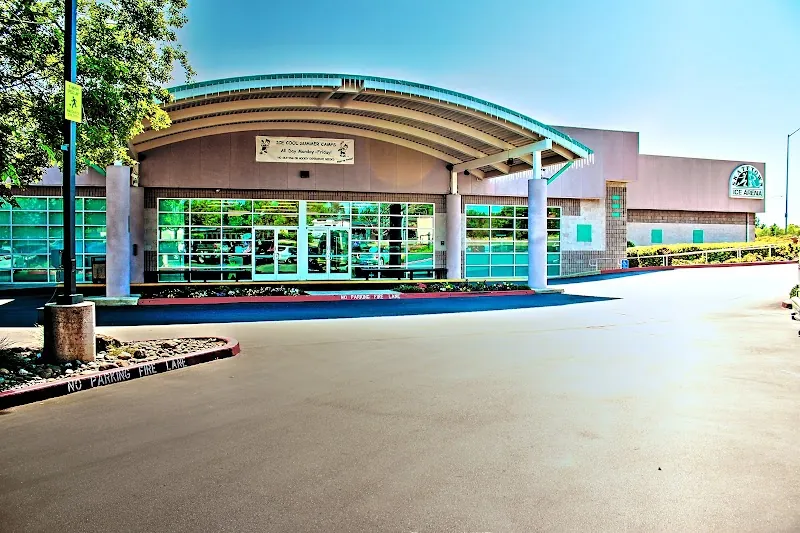
Skating lessons happen in two main settings: ice rinks and roller rinks. Some facilities offer both, but most specialize. An ice skating lesson provider is usually attached to or housed inside a full-size ice arena, while roller skating instruction tends to happen at a dedicated roller rink with a smooth hardwood or sport-court floor. The physical setup matters more than you'd think, because the surface changes everything about how balance works and what the instructor focuses on first.
These places are not the same as drop-in public skate sessions, even though they often share the same building. Public skate is open freestyle time. Lessons are structured. An instructor watches your posture, corrects your foot placement, and gives you specific things to practice between sessions. That feedback loop is what makes lessons actually stick.
Most skating lesson programs are organized into levels, often following a nationally recognized curriculum like US Figure Skating's Learn to Skate USA system or a rink's own in-house progression. You start at level one, which might just be learning to march across the ice and fall safely. Yes, falling safely is a real skill they teach. Falling on purpose, in a controlled way, is usually one of the first three things covered.
Group lessons typically run 20 to 30 minutes and involve 6 to 12 students of similar ability. Private lessons run longer, usually 30 to 60 minutes, and cost noticeably more. For a complete beginner, group lessons almost always work better as a starting point. You get to see other people figure out the same things you're struggling with, which is oddly reassuring.
Why People Struggle Without Instruction
Here's the honest problem with just showing up to public skate and trying to teach yourself: you build bad habits fast. Really fast.
Most self-taught skaters learn to "walk" on the ice instead of gliding, gripping the wall for the entire session and never developing actual balance. They also tend to lean backward, which is the opposite of what skating requires. Without someone pointing this out after the first five minutes, you can spend months reinforcing exactly the wrong mechanics. And unlearning a bad habit takes longer than learning the right one from scratch.
Skating instruction exists specifically to short-circuit that process. A good instructor catches the backward lean before it becomes muscle memory. They also spot things you cannot feel yourself, like an ankle rolling inward or one shoulder dropping. You genuinely cannot see your own feet while you're concentrating on not falling.
Another thing worth mentioning: skate fit. A huge portion of beginner struggles come from wearing skates that don't fit correctly, usually rentals that are too big. Many skating lesson facilities will check your rental fit at the start of the first session, which alone can transform how the lesson goes. Some even have higher-quality rental stock reserved specifically for students enrolled in lessons.
How Skating Lessons Differ From Similar Options
You might be weighing skating lessons against a few other options: hockey clinics, freestyle practice sessions, or those "intro to skating" birthday party packages some rinks offer. They are not the same thing, and mixing them up leads to disappointment.
Hockey clinics are skill-focused for players who already skate. They assume you can crossover and stop. Freestyle sessions are practice time for intermediate and advanced skaters working on jumps and spins. Neither is a substitute for actual beginner lessons. And birthday party skating packages? Fun, sure, but there's no instruction happening. Everyone is just trying to stay upright and eat cake.
Adult skating lessons deserve a specific mention because a lot of adults assume classes are only for kids. They are not. Many rinks run dedicated adult beginner sessions, often in the evening, specifically because adults do not want to learn alongside a group of six-year-olds. Adult sessions also tend to move at a slightly different pace, with more explanation and less "just try it and see what happens."
Roller skating lessons differ from ice lessons in a few practical ways too. Balance on quad skates (the classic four-wheel style) is lower to the ground and generally easier to find at first. Inline or aggressive skating lessons have a steeper initial curve. If someone is trying to decide between ice and roller for a first experience, roller usually produces faster early confidence.
What to Expect When You Book
Most skating lesson programs require pre-registration. You won't just show up and walk into a class. Spots fill up, especially on weekends and in fall and winter when ice rinks are at peak demand. Check the rink's schedule a week or two ahead, not the morning of.
Bring your own socks. Thick ones. This sounds minor, but thin socks inside rental skates is a fast path to blisters and sore ankles before the lesson even gets interesting.
What happens inside a first lesson usually follows a predictable order: a quick safety overview, basic standing and marching, a first attempt at gliding, then an introduction to stopping. Instructors generally do not expect you to land everything in session one. Progress is measured across multiple weeks, not a single class.
And one more thing, since the 78+ listings on Skating Rink Pal span different facility types and regions: read the individual listing notes carefully before booking. Some facilities teach only ice skating. Some are roller-only. A few offer both but schedule them on different days. Confirming that detail before you drive over will save you a wasted trip and a confused conversation at the front desk.
Skating lessons are genuinely one of the more satisfying physical skills to pick up as an adult or introduce to a kid. Progress happens in visible, measurable chunks. By week three, most beginners are gliding without touching the wall. That moment, when the wall stops being a crutch, is worth every awkward fall that came before it.