Step Inside an Ice Skating Rink: What You'll Actually Find There

You pull open a heavy door, a cold rush of air hits your face, and suddenly you can hear the scrape of blades on ice before you even see the rink. That first moment catches a lot of first-timers off guard. Ice skating rinks have a very specific atmosphere, and knowing what you're walking into makes the whole experience better.
What an Ice Skating Rink Actually Is
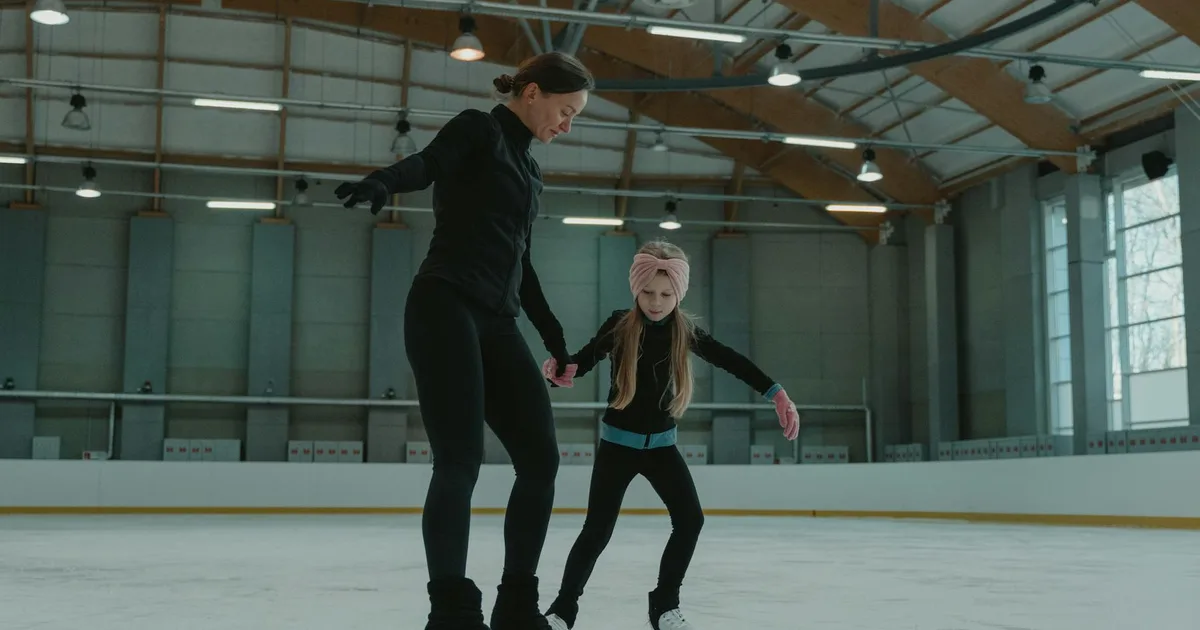
At the most basic level, an ice skating rink is a refrigerated sheet of ice enclosed in a building, with a barrier around the edges and usually a set of bleachers or benches along the sides. That's the core of it. But the experience inside is more layered than that description suggests.
Most ice skating rinks run on a public session schedule, meaning anyone can show up, rent skates at the front desk, and get on the ice for a set block of time, usually 90 minutes to two hours. Skate rental is almost always available on-site, typically running between $3 and $6 depending on the facility. You don't need your own equipment to walk in as a beginner.
And honestly, that accessibility is one of the better things about these places. No membership required, no lessons needed just to get started.
Beyond public sessions, most ice skating rinks also offer figure skating lessons, hockey leagues, birthday party packages, and private ice rentals. Some facilities are primarily hockey rinks with one or two public sessions per week squeezed in around league games. Others are purpose-built for figure skating and recreational skating, with a smoother ice surface and a more relaxed vibe. Worth knowing before you go, because the two types feel pretty different when you're actually there.
What to Expect Once You're Inside
Walking in for the first time, most people are surprised by how much is going on. There's usually a front desk or ticket window near the entrance where you pay admission and arrange skate rentals. Prices for public sessions generally range from about $5 to $15 per person, though that varies a lot by location and whether it's a weekday or weekend.
Past the front desk, you'll find a skate rental area, usually with rows of figure skates and hockey skates sorted by size. Staff will size you up and hand you a pair. Bring thick socks. Thin socks inside a stiff rental skate is a mistake you make once.
There's almost always a snack bar or concession stand somewhere in the building. Hot chocolate, nachos, soft drinks. Nothing fancy, but it's there. A lot of rinks also have an arcade corner or a small pro shop selling skate accessories and gloves. The pro shop is usually small enough that you can browse it in about four minutes.
On the ice itself, expect a mix of skill levels during public sessions. Beginners hug the boards along the edge. Faster skaters move in the middle or along the inside lane. Most rinks have a general flow direction, usually counterclockwise, and staff or guards on the ice to keep things orderly. If a rink has no ice guards during a busy public session, that's a sign worth noting.
How Ice Skating Rinks Differ From Similar Facilities
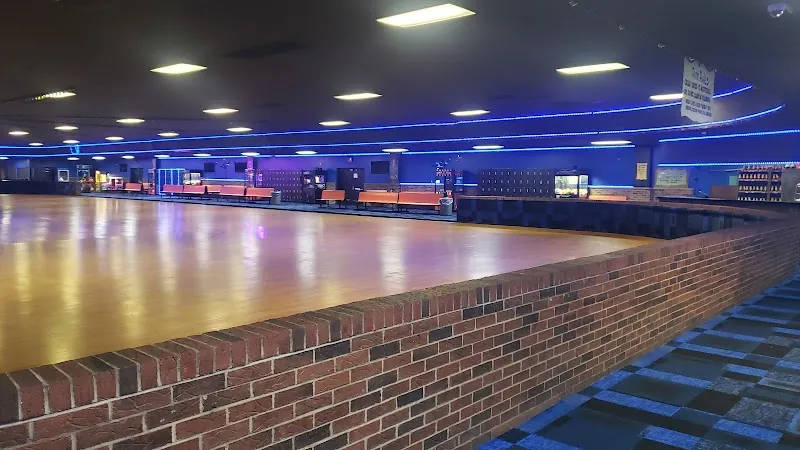
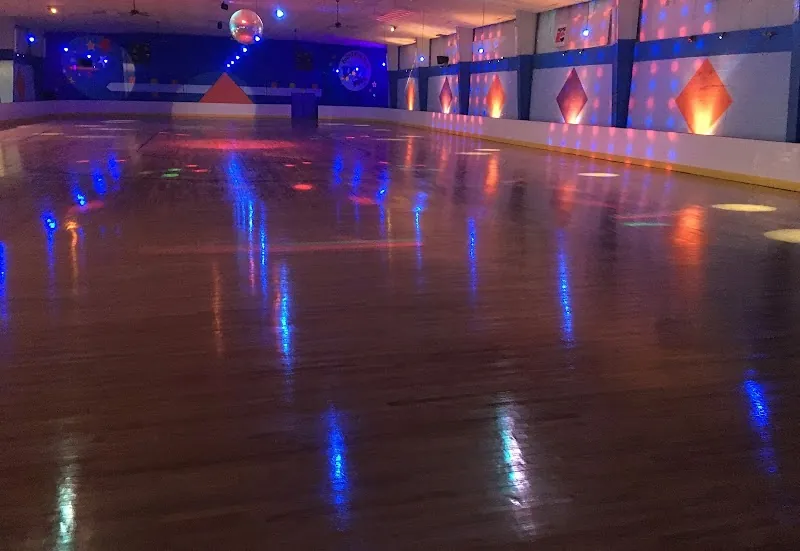
Roller skating rinks are the most obvious comparison, and the differences go beyond just the surface. Ice rinks tend to run colder (obviously), require stiffer footwear, and have a more technical learning curve for beginners. Stopping on ice skates takes real practice. Roller rinks are generally easier to pick up quickly.
Outdoor ice rinks, like the kind set up in city parks during winter, are a different category again. They're often free or very cheap, but you're dealing with natural cold, variable ice quality, and no climate control. An indoor ice skating rink keeps the ice surface consistent year-round. That consistency matters a lot if you're going for lessons or hockey practice.
Wait, that's not quite right to call outdoor rinks a completely separate category. Some outdoor rinks are refrigerated and run professionally, just without a roof. But most public outdoor setups are seasonal and weather-dependent, which is the meaningful difference.
Synthetic ice rinks are also popping up, made from plastic panels rather than real frozen water. They're used for practice and events but do not replicate the same glide feel. Serious skaters notice immediately. For casual outings, you probably won't care as much.
Finding a Good Ice Skating Rink Near You
Skating Rink Pal has 78+ verified ice skating rink listings across the directory, with an average rating of 4.3 stars. That's a useful starting point, but ratings only tell part of the story.
Look at what sessions a rink actually offers. A facility might look great on paper but run only two public sessions per week, both on weekday mornings. That's not practical for most people. Check the schedule before you drive over.
Also pay attention to whether a rink lists its skate rental availability and age or height restrictions for kids. Some rinks have minimum age requirements for unsupervised skating. If you're bringing young children, that detail matters more than the star rating does.
Reviews that mention ice quality and staff helpfulness are generally more useful than reviews about the parking lot. Though for the record, rink parking lots are often underlit and confusingly laid out. Plan a few extra minutes if you're going somewhere new.
A well-run ice skating rink will have clear posted schedules, visible staff on the ice during public sessions, and maintained rental skates with no broken buckles or cracked blades. Those three things together tell you more about a facility than almost anything else.