Your First Skating Rink Experience: What to Expect

Over 200,000 people have reviewed just one skating rink in New York City alone. That's Central Park's Wollman Rink, sitting at 4.8 stars across nearly 300,000 reviews on the Skating Rink Pal directory. That number stopped me cold when I first saw it. Whatever nervousness you're feeling about your first rink visit, you can be pretty sure other people have done this exact thing, felt the same wobble in their knees, and walked away happy enough to leave a glowing review.
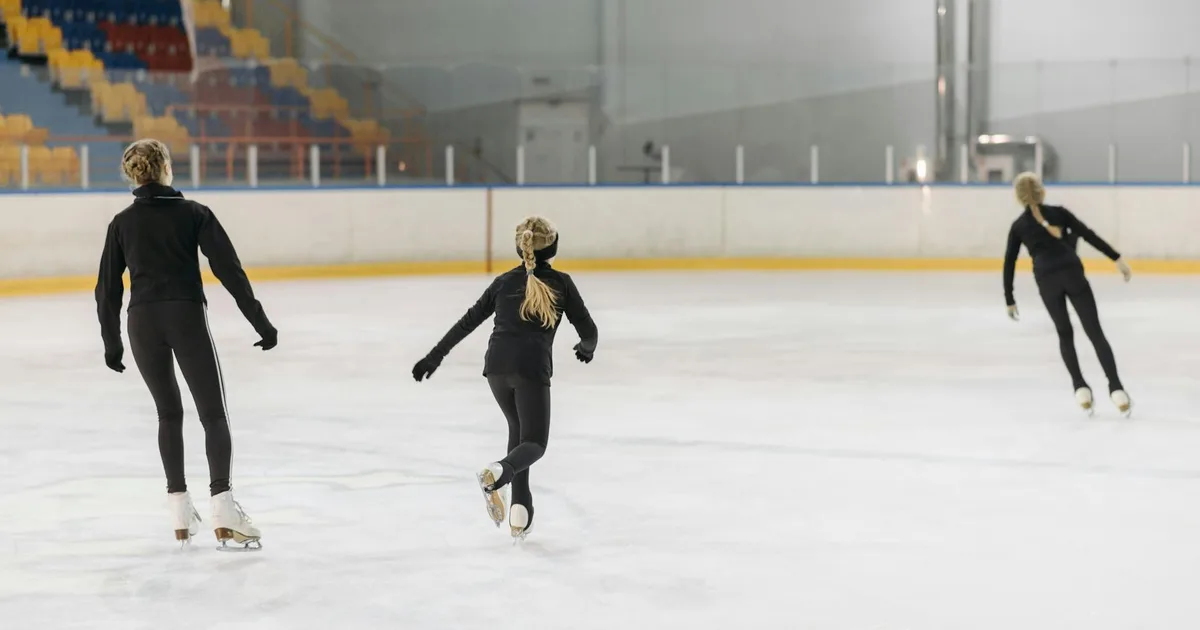
This article is a practical guide for anyone who has never set foot on a skating rink floor or ice sheet before. You will find out what to wear, how to pick up rental skates without embarrassing yourself, what beginner mistakes almost everyone makes, and how to actually have fun instead of just white-knuckling the wall for an hour. Skating Rink Pal's directory lists 78 rinks across multiple cities, so once you finish reading, finding a place near you is easy.
What to Wear and Bring to the Rink
Most people overthink the outfit. Others show up in totally wrong clothes and pay for it. Here is the honest breakdown.
Wear comfortable pants that allow you to bend your knees deeply without restriction. Leggings, athletic joggers, or stretchy athletic pants work great. Jeans are a mistake. They do not stretch well, they get stiff when damp (and you will fall, more on that later), and they restrict your knee bend which is literally the most important movement in skating. Avoid anything tight around the thighs. You want to be able to crouch low without your pants fighting you.
Layer your top half. Rinks, especially ice rinks, run cold near the ice surface but warmer in the seating and lobby areas. A light base layer with a zip-up hoodie or jacket you can tie around your waist works well. Gloves are genuinely useful for ice skating, not just for warmth but because you will use your hands on the ice when you fall, and cold wet ice against bare hands gets old fast.
Socks. This is where most first-timers drop the ball, no joke. Rental skates are hard plastic or stiff leather shells that will rub against your ankle bones without a proper buffer. Bring tall, thick socks, the kind you would wear hiking or just heavy athletic socks that come up above the ankle. Thin no-show socks are going to leave you with blisters and a miserable experience. If you forget thick socks, some rinks sell them at the counter, usually for a couple dollars. Worth every penny.
Thick ankle-high socks, a water bottle, a small bag or backpack, your ID and payment method, and a light jacket or layer you don't mind carrying. Leave bulky jewelry, open-toed shoes, and anything fragile in the car. Honestly, leave your good bag at home entirely.
Leave fragile items in the car. You are going to be moving, falling, carrying skates, and shoving gear into a locker or cubby. Your nice sunglasses, your favorite water-resistant-but-not-that-water-resistant jacket, expensive earrings that catch on things. None of it belongs on the rink floor. A small crossbody or drawstring bag with just your phone, some cash, and your water bottle is the move.
Understanding Rink Policies and Admission
Rinks almost always charge two separate fees. You pay for entry (getting into the building and onto the rink) and then separately for skate rentals if you don't own your own. Some places bundle these, but do not assume. Always check before you go.
Admission prices vary quite a bit by city and by type of session. Weekend evenings during peak hours cost more than weekday afternoon open skate sessions. Family rates, student discounts, and group rates are common at many rinks. Skate rentals usually run anywhere from $3 to $8 on top of admission. Some rinks, especially larger venues like Rockefeller Center in New York (4.7 stars, over 200,000 reviews on Skating Rink Pal), charge premium pricing because of the location and experience. Smaller neighborhood rinks are often much cheaper and just as good for learning.
Common rules you'll find at nearly every rink: skate in one direction only (usually counterclockwise, the rink staff will tell you), no food or drinks on the actual rink floor or ice, no running or roughhousing, and keep moving or stay off to the side. Some rinks have separate sessions for younger kids or specific age and height restrictions for certain evening sessions that lean more toward teens and adults.
Policies genuinely do vary by location. One rink might allow you to bring in your own food to the lobby area; another bans outside food entirely. Some have mandatory helmet rules for kids under a certain age. Bryant Park's rink in New York (4.7 stars, over 106,000 reviews) has specific seasonal hours and entry rules that change depending on time of year. Always check individual rink listings on Skating Rink Pal before you drive out there.
Call the rink or check their listing before weekend visits. Holiday weekends, school breaks, and Friday nights can mean hour-long waits just to get rental skates. Weekday afternoons are usually far more relaxed and better for beginners who want space to practice without dodging experienced skaters flying past.
Getting Your Skates and Hitting the Ice (or Floor)
Walk up to the rental counter and give your shoe size. Simple. They hand you skates, you sit down and put them on. That's the easy part. Lacing them up correctly is where most beginners mess up.
Lace your skates snugly all the way up. Pull the laces tight at the ankle especially, because a loose ankle means your foot rolls inside the boot and you have zero control. Not a little less control. Zero. You'll be flopping around like someone on a waterbed. Pull them firm, not painfully tight, but firm enough that your heel sits locked into the back of the boot when you flex your foot forward. If the skates feel sloppy or your ankle rolls even slightly when you stand, re-lace them tighter.
Stand up slowly. Get your balance. Take two or three steps in the skate rental area before you even approach the rink opening. Your ankles will feel weird. That's normal, your body has never done this before.
Step onto the rink surface (ice or roller floor) and immediately reach for the wall. No shame in that. Every beginner does it. Face the wall, hold on with both hands, and just stand there for a minute. Get used to the feeling of the surface under your skates. For ice skating, you'll feel the blade catch slightly; for roller skating, the wheels will want to roll if you're not centering your weight. Both take a second to get used to.
Small steps. Tiny steps. Do not try to stride wide like you've seen people do on TV. Short, shuffling steps along the wall first. Keep your knees bent. This is important enough to repeat: keep your knees bent at all times. A straight-legged beginner is a falling beginner, almost every time. Bend your knees like you're about to sit down in a low chair and you'll immediately feel more stable.
Ice skating and roller skating feel different from each other in ways that are hard to explain until you've tried both. Ice gives you a glide that feels almost frictionless; small movements send you further than you'd expect. Roller skating has more friction and feels more like walking with wheels, which many beginners actually find easier at first. Neither is dramatically harder than the other. You'll adjust within 20 minutes either way.
Skating Rinks by the Numbers: What the Data Says
Here is something reassuring about that 4.3-star average: these ratings come from real customers across 78 different listings. That means the typical skating rink you find on Skating Rink Pal is genuinely well-regarded. It's not a handful of great places pulling up a weak average. Most of these rinks are doing something right.
New York leads the directory with 8 listings, which makes sense given the city's density and the popularity of rinks like Central Park, Rockefeller Center, and Bryant Park. Boston follows with 4 listings, including Warrior Ice Arena which holds a 4.7-star rating from 518 reviews. That's a smaller review count, but 518 people consistently agreeing on 4.7 stars is a meaningful signal. Los Angeles, Columbus, and Houston each have 2 listings in the directory.
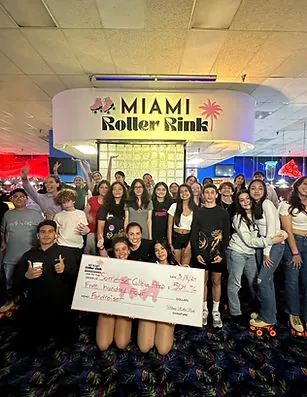
And then there is Miami Roller Rink in Miami, FL, sitting at 4.9 stars from 1,718 reviews. That's the highest-rated rink in the entire directory. A roller rink, not an ice rink, which surprises some people who assume ice skating venues are automatically more prestigious. Good is good regardless of format.
| Business Name | City | Rating | Reviews |
|---|---|---|---|
| Miami Roller Rink | Miami, FL | 4.9 ★ | 1,718 |
| Central Park | New York, NY | 4.8 ★ | 297,844 |
| Rockefeller Center | New York, NY | 4.7 ★ | 200,081 |
| Bryant Park | New York, NY | 4.7 ★ | 106,054 |
| Warrior Ice Arena | Boston, MA | 4.7 ★ | 518 |
Use the directory to compare rinks before you pick one. Read recent reviews specifically, not just the star total. Look for comments about staff helpfulness, rental skate quality, and crowd levels. A rink with slightly fewer stars but newer rental equipment and patient staff is going to give a first-timer a better experience than a famous landmark rink packed with tourists on a Saturday afternoon.
Common Beginner Mistakes and How to Avoid Them
Gripping the wall the entire session. This is the number one beginner mistake, and it's understandable, the wall feels safe. But if you never let go, your muscles don't learn how to balance and you leave having barely skated. Push yourself to skate short stretches between wall grabs. Even two or three feet of solo skating teaches your body more than an hour of wall-hugging.
Wrong socks, as covered earlier. Honestly worth mentioning twice because I keep seeing people at rinks hobbling off after 20 minutes with red ankle marks.
Leaning backward. This one is counterintuitive. When you feel like you're losing balance, your instinct is to lean back and brace yourself. That instinct is wrong on skates. Leaning backward shifts your weight behind your center of gravity and makes you fall hard on your backside. Lean slightly forward instead, bend your knees, and keep your weight over the balls of your feet. It feels strange at first but becomes natural fast.
Falling is going to happen. Accept it now. Even good skaters fall sometimes. Here is how to do it safely: if you feel yourself going down, bend your knees and squat low before you hit so you are not falling from your full standing height. Try to fall to the side rather than straight back. Tuck your hands into fists or pull them to your chest so your fingers do not get skated over. Getting back up: roll to your side, get one knee on the ice or floor, plant your hands, and push up to standing. Do not try to stand straight up from lying flat; it never works and you'll just slip back down.
Every beginner assumes everyone is staring at them wobble and fall. They are not. Other skaters are focused on not falling themselves. Staff have seen thousands of first-timers. Fall, laugh it off, get up. It is genuinely fine.
Making the Most of Your Visit
Arrive early. Not just a little early, at least 20 to 30 minutes before you want to actually skate. Rental lines get long fast, especially on weekends. Getting there early means you pick from the full range of rental sizes (late arrivals sometimes get skates that do not fit perfectly), you have time to lace up without rushing, and you can warm up when the rink is less crowded.
Many rinks offer beginner skating aids. These are plastic frames or penguin-shaped supports you hold onto while you skate, basically a walker for the rink. Zero shame in using one. They are specifically there for beginners and they work. Some rinks also offer short group lessons during open skate sessions, usually for a small additional fee. If your rink offers a lesson, take it. Even 15 minutes of instruction from someone who actually knows what they are doing will cut your learning time in half.
Check for amenities on Skating Rink Pal listings before you go. Snack bars, lockers, skate sharpening (useful if you brought your own), and family-friendly session times are all things that matter, especially if you're bringing kids. A rink with a solid snack bar and good locker facilities makes the whole outing easier and more comfortable. You are going to work up an appetite. Speaking of affordable food runs before or after your visit, if you want to keep the whole day budget-friendly, you can browse salvage grocery options in your area for cheap snacks to bring along in your bag for the lobby.
Warrior Ice Arena in Boston, for reference, pulls a 4.7-star rating from real customers and is the kind of facility that tends to have strong staff and good beginner infrastructure. Same goes for rinks with large review counts like the New York City parks rinks. High volume of reviews plus high ratings means a lot of people had a good time. That matters.
Pick the rink that fits your vibe. A big famous landmark rink like Rockefeller Center is a bucket-list experience and genuinely fun, but it can be crowded and feel a bit hectic for a pure beginner. A smaller neighborhood rink with 50 people instead of 500 might be where you actually learn to skate. Both have value. They are just different experiences.
Frequently Asked Questions
Do I need to know how to skate before going to a rink?
No. Most rinks cater to all skill levels during open skate sessions. Beginners are completely normal and expected. Just show up, rent skates, and take your time along the wall. No experience required.
Can I bring my own skates?
Yes, most rinks allow personal skates. You still pay the admission/entry fee but skip the rental fee. If you are going regularly, buying your own skates is worth it eventually. Rental skates are fine for a first visit though.
Is ice skating or roller skating better for beginners?
Honestly, roller skating is slightly more forgiving for absolute beginners because the wheels give you a bit more friction and the sensation is closer to walking. That said, both are learnable. Go with whatever rink is closer or has better ratings in your city.
How much does a skating rink visit typically cost?
Entry fees vary widely, but budget $10 to $20 per person as a rough estimate when combining admission and skate rental. Landmark rinks in major cities like New York can be higher. Smaller neighborhood rinks are often $8 to $12 total. Check the rink's listing on Skating Rink Pal for current pricing before you go.
Are skating rinks safe for young kids?
Generally yes, especially during family-friendly sessions. Many rinks have skating aids available for small children, require helmets for kids under a certain age, and keep these sessions slower-paced. Check the specific rink's rules for age or height policies before bringing very young children.
How do I find a good skating rink near me?
Skating Rink Pal lists 78 rinks across major cities with real customer ratings averaging 4.3 stars. Search by city, read reviews, check amenities, and look at hours before you visit. The top-rated rinks in the directory, like Miami Roller Rink at 4.9 stars, give you a benchmark for what a great facility looks like.
What if I fall and get hurt?
Minor falls are part of the experience and most result in nothing more than a bruise or a damp patch on your pants. Rinks have staff on the floor during sessions. For more serious falls, tell a staff member immediately. Wearing wrist guards and knee pads is an option if you're particularly concerned, and some rinks sell or rent these at the front desk.
More Ways to Save
Find a Skating Rink Near You
Browse our directory of 78+ skating rinks across the country. Compare ratings, read reviews, and find a rink that fits your schedule and budget before you lace up for the first time.
Search the Directory